

What Is Intellectual Property, And How Is It Different From Physical Property?
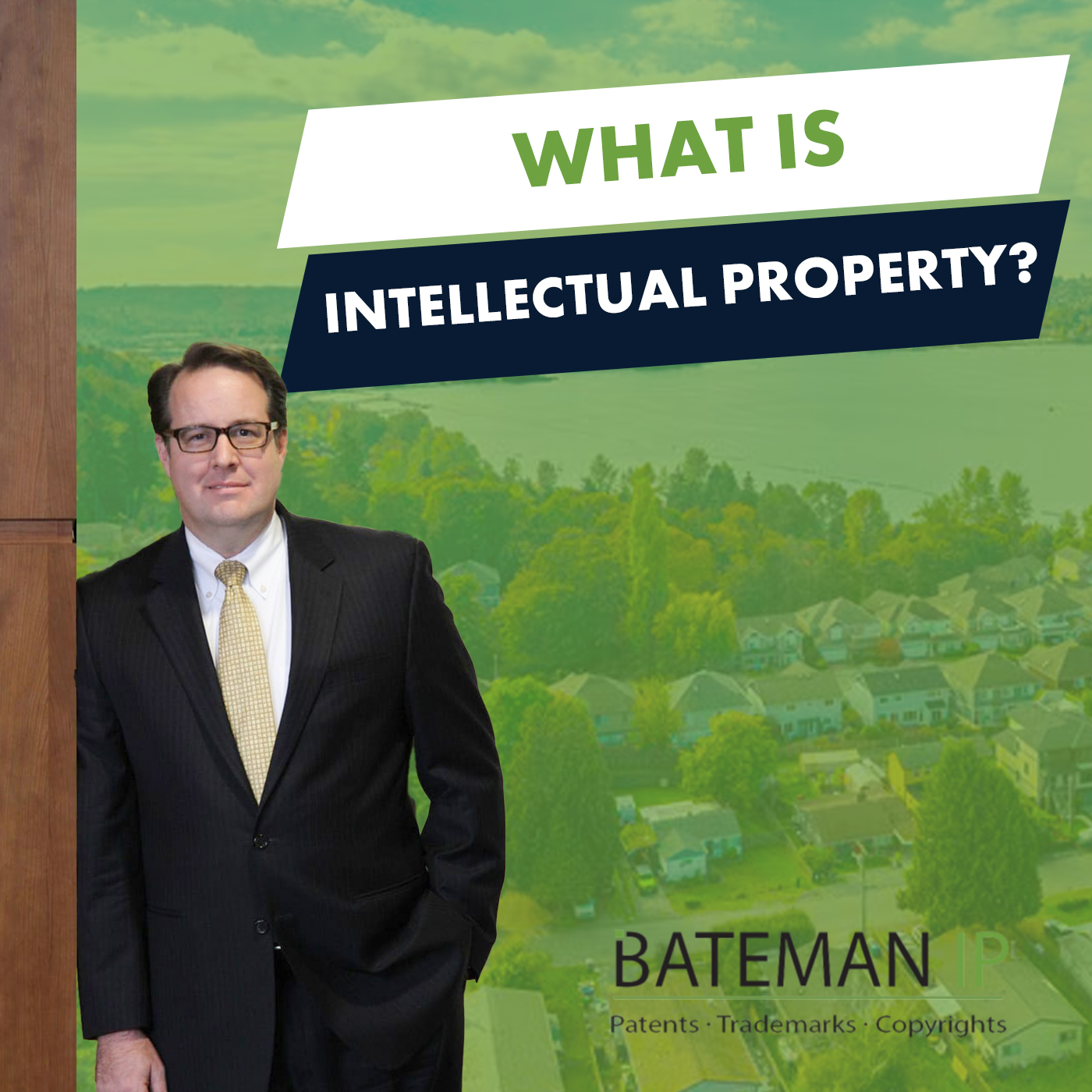
Randall Bateman explains that intellectual property (IP) refers to non-physical assets like patents, trademarks, copyrights, and trade secrets. Unlike real estate or tangible property, IP protects ideas, innovations, and brand assets that give companies a marketplace advantage.
Why Should Someone Hire An Attorney For Intellectual Property Matters?
Randall points out that IP law is highly complex, especially in areas like patent drafting and prosecution. Because IP rights often involve predicting future applications or markets, working with a dedicated IP attorney is essential to avoid costly mistakes.
What’s The Difference Between A Utility Patent, A Design Patent, And A Plant Patent?
A utility patent protects a new and useful invention or process. A design patent protects the visual appearance of a product. A plant patent, which is more niche, protects asexually reproduced plant varieties. Each patent type offers different legal protection depending on the nature of the invention.
How Do Copyrights Work, And What Do They Protect?
Copyrights protect creative works like books, music, and films. They grant exclusive rights to the creator for a set period, even after death, after which the work enters the public domain. Randall gives examples like Mozart’s music and modern lawsuits over alleged song copying.
What Is The Difference Between A Copyright And A Trademark?
Copyrights protect expression, such as written or recorded content, while trademarks protect brand identifiers like names, logos, or slogans. For example, a podcast’s name might be trademarked, while the audio content would be protected under copyright law.
What Is A Trade Secret, And How Does It Protect A Business?
Trade secrets protect confidential business information, like client lists, manufacturing processes, or ingredient sources, that give a competitive edge. Randall emphasizes that unlike patents, trade secrets can last indefinitely if kept confidential, but they require proactive protection, especially from former employees.
Do Different Types Of IP Law Require Different Attorneys?
Yes. IP law is highly specialized. Some attorneys focus on prosecution (filing patents), while others handle litigation. Even within patent law, attorneys may specialize in specific scientific or technical areas. Randall himself practices broadly within IP but refers out cases requiring hyper-specialized expertise.
How Did Randall Bateman Decide To Focus On Intellectual Property Law?
Randall shares that he originally planned to become a doctor but pivoted to law. After receiving job offers in both medical malpractice and patent law, he chose the latter, and fell in love with helping inventors protect their ideas. He describes IP law as a way to “cheat” by learning about exciting new technologies without doing the lab work.
What Should Someone Look For When Hiring An Intellectual Property Attorney?
According to Randall, the most important factor is communication. Clients should choose an attorney they connect with and who clearly understands their goals. Next, they should verify that the attorney has actual experience in the specific IP area they need, especially given how quickly laws and procedures evolve.